
Founders and Innovators: Don’t Miss Out on the R&D Tax Incentive
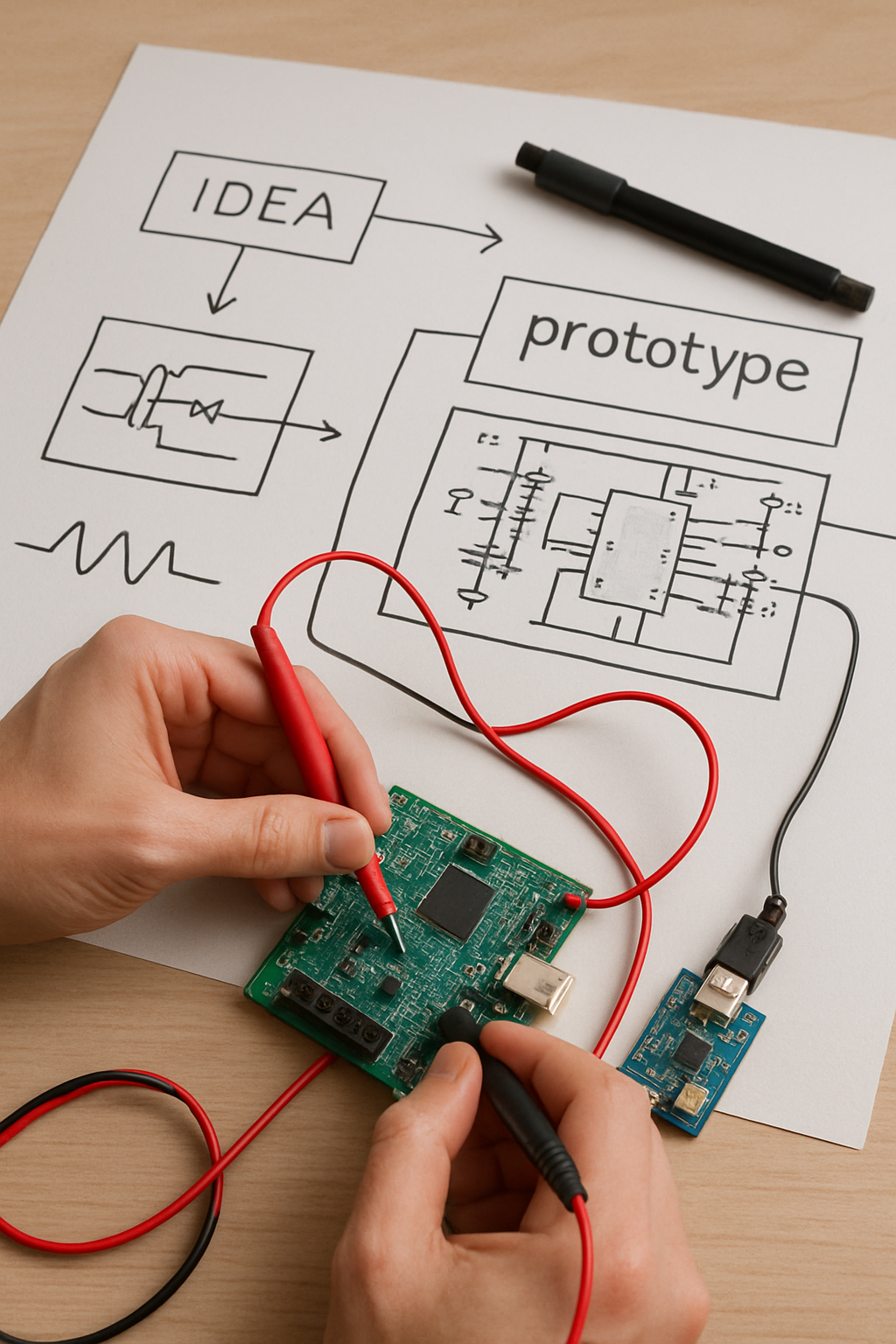
Innovation is at the heart of every growing business, but it can also be one of the most expensive parts of building something new. Whether you’re developing new technology, refining a product, or solving complex technical challenges, those efforts add up quickly. The R&D Tax Incentive exists to support that work by returning a portion of your eligible R&D spend back to you.
Many businesses miss out simply because they are unsure what qualifies or find the process overwhelming. This article breaks it down in a practical, founder-friendly way so you can approach your R&D claim with confidence.
Why the R&D Tax Incentive Matters for Growing Businesses
The R&D Tax Incentive is more than a tax offset. It acts as a valuable source of innovation funding for businesses working on new or improved technologies, products, and systems. Eligible companies can receive a refundable tax offset of up to 43.5%, which can create a meaningful boost to cash flow.
For example, a business spending $300,000 on eligible R&D activities may receive up to $130,000 back. This funding can be reinvested into product development, hiring, testing, or market expansion.
Beyond the financial benefit, the incentive also:
strengthens runway during key growth phases
allows experimentation without sacrificing equity
encourages the kind of problem-solving that fuels innovation
If innovation contributes to your business strategy, the R&D Tax Incentive should sit alongside your annual growth planning.
Understanding What Counts as R&D (It’s Broader Than You Think)
Many founders assume their work isn’t “scientific enough” to qualify. In reality, most eligible R&D looks like everyday innovation happening inside growing companies.
Here are common examples that often qualify:
Software Development
developing new algorithms or machine-learning models
building or redesigning system architecture
creating integrations that require novel approaches
testing methods when outcomes are uncertain
Product or Engineering Development
designing and testing prototypes
trialling new materials or manufacturing methods
resolving performance issues through controlled testing
iterating designs based on test outcomes
Internal Systems and Automation
building a custom workflow or internal system where no off-the-shelf solution exists
experimenting with different approaches to improve internal processes
solving technical challenges that require investigation or iteration
If your team explored unknowns, experimented with options, or worked to overcome technical uncertainty, the activity may be eligible.
How to Make the Claim Process Easier
For most founders, the challenge isn't eligibility — it’s managing documentation and compliance while keeping the business moving. Here are practical steps to simplify the process:
Document Work While It Happens
You don’t need perfect documentation, just consistent notes. Sprint summaries, Git logs, prototype reports, design iterations, and meeting notes all help build a clear record of your R&D journey.
Separate R&D From Business-as-Usual
Many companies blend routine development with R&D activities. Separating the two helps ensure you capture all eligible work. Identify the costs associated with R&D, including developer time, contractor fees, materials, and testing tools.
Consider Timing and Funding Strategy
Your R&D claim can support broader financial goals. Many businesses use their refund to extend runway, bring on new talent, or support fundraising milestones. Planning your claim ensures it aligns with your growth strategy.
Seek Guidance When Needed
R&D claims require technical, financial, and compliance expertise. Working with specialists can help you strengthen documentation, maximise your claim, and reduce risk.
Make Sure You Claim What You’ve Earned
Innovation takes time, resources, and resilience. The R&D Tax Incentive exists to support that journey and help Australian businesses grow without compromising their vision.
If you’re building, testing, or exploring new solutions, you may be eligible for substantial financial support. And you don’t need to navigate the process alone.
At Elev8us, we help founders and innovators identify eligible R&D activities, organise clear documentation, and prepare strong, compliant claims that deliver maximum value.
If you'd like expert support and a straightforward process, we’re here to help.
Get in touch and let’s make sure you’re claiming what you’ve earned.